How to use social media to sell property
A simple guide to getting it right
The role of social media in modern property sales
Social media has become one of the most powerful-and misunderstood-tools in the property sales process. Used well, it accelerates reach, builds trust, and shortens the path from awareness to enquiry. Used poorly, it becomes a time‑sink that delivers likes but no leads. Here’s a clear, strategic look at how social platforms genuinely influence property sales today-and where they fit within a wider marketing and Property PR ecosystem. Social media’s real value in property sales Social media isn’t a sales channel in the traditional sense. It’s a visibility engine and a trust builder. For most buyers, especially in the mid‑ to high‑end market, the journey starts long before they book a viewing. Social platforms help by:- Expanding reach beyond portals Rightmove and Zoopla dominate search intent, but social media introduces properties to audiences who aren’t actively looking-yet.
- Humanising the agent or developer People buy from people. Social content gives personality, expertise, and credibility a place to shine.
- Creating emotional connection Video walkthroughs, lifestyle storytelling, and behind‑the‑scenes content help buyers imagine themselves in the space.
- Driving traffic to listings Strong posts act as top‑of‑funnel magnets, pushing warm audiences toward portals, websites, or enquiry forms.

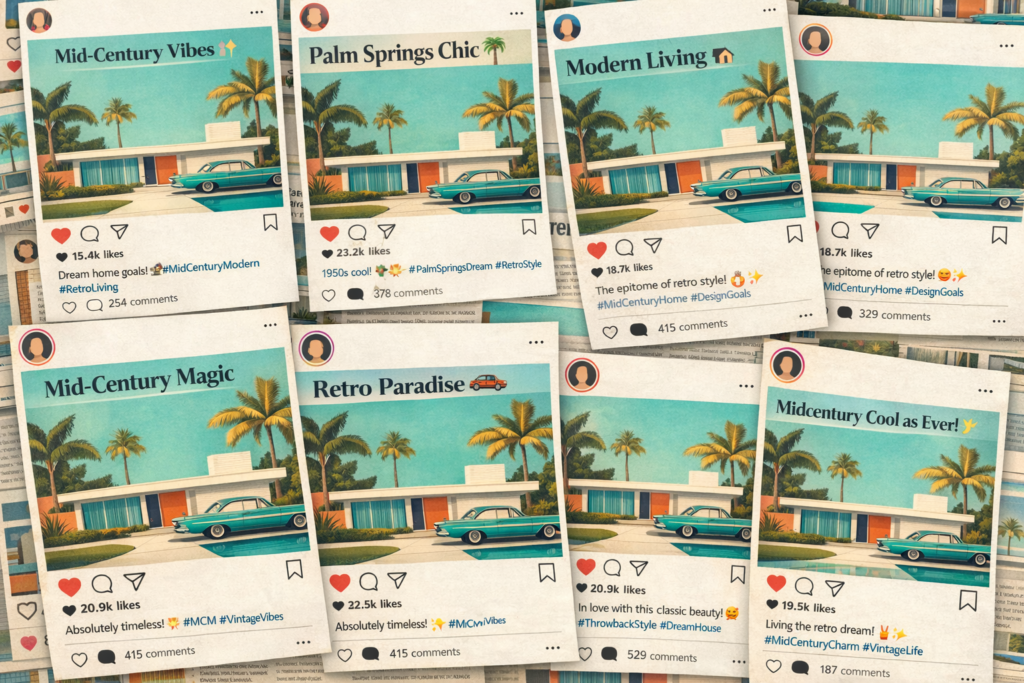
What actually works on social for property sales
Not all content performs equally. The formats that consistently convert attention into action include:- Short‑form video TikTok, Instagram Reels, and YouTube Shorts are now essential. Quick tours, “before and after” transformations, and neighbourhood highlights outperform static images.
- Agent‑led content Presenters build trust. A recognisable face increases engagement and enquiry rates.
- Local expertise Posts about schools, transport, cafés, and community life attract high‑intent buyers who care about lifestyle as much as layout.
- Story‑driven posts “A day in the life of a renovation”, “Meet the architect”, or “How we staged this home” deepen engagement and differentiate the brand.
- Paid social targeting Facebook and Instagram ads remain cost‑effective for reaching specific demographics, income brackets, and geographic areas.
- Portal listings (Rightmove, Zoopla, OnTheMarket)
- Press coverage and Property PR
- SEO‑driven content
- Email marketing
- Offline marketing and events
- Posting only listings Buyers want value, not a feed that looks like a digital shop window.
- No personality Faceless brands struggle to build trust.
- Inconsistent posting Momentum matters. Sporadic content kills reach.
- Ignoring analytics The platforms tell you what works-many agents simply don’t look.
- Relying on organic reach alone Algorithms are unpredictable. Paid support is no longer optional.