Life savings gone
The story of Dave McFall
The Freehold Fiasco Exposing a Hidden Casualty of Leasehold Reform
When the government promised to “fix the broken leasehold system”, most leaseholders cheered. But in the rush to deliver headline‑friendly reforms, a new -and largely invisible -group has emerged as collateral damage: the small, resident freeholder. Few stories illustrate this better than that of Dave McFall, a retired film animator living in an Art Deco block in Belsize Park. As he told The Sunday Times, “It’s sickening, because this is essentially my life savings.” His experience reveals a flaw in the Leasehold and Freehold Reform Act that policymakers have barely acknowledged -and which could reshape the economics of collective enfranchisement. How a Group of Residents Saved Their Building -at Huge Personal Cost Fifteen years ago, McFall and his neighbours took over management of their 1930s block after discovering years of neglected maintenance. As the article notes, they found “a serious leak in a lead water pipe… losing tens of thousands of litres of water” and a roof patched with makeshift fixes. Within a year of taking control, they halved the annual service charge from £100,000 to £50,000. So when their landlord sought permission to add seven extra flats to the building, residents knew they had to act. They triggered collective enfranchisement -the legal right to force the sale of the freehold -at a total cost of £595,000. But only 30 of the 46 flats could afford to participate. That left a £417,000 shortfall. To stop the deal collapsing, McFall and another resident personally stepped in, paying more than £200,000 each to buy the freeholds of the non‑participating flats. McFall also paid £14,000 for his own share. He wasn’t trying to profit. He was trying to save his home.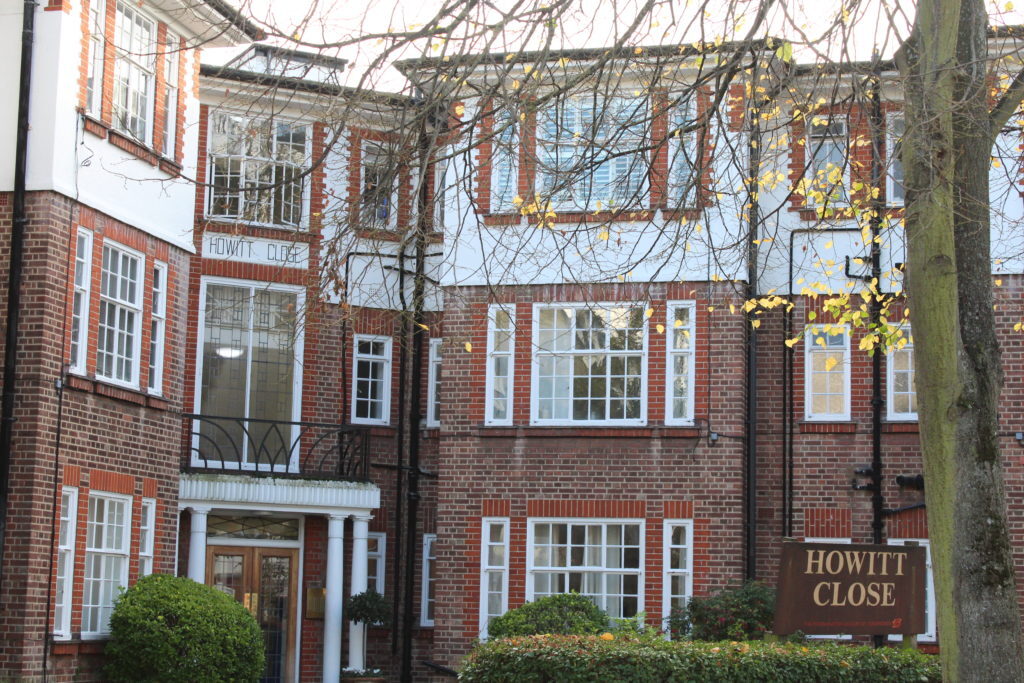


The Reform That Wiped Out His Investment
Under the old system, freeholders were entitled to 50% of “marriage value” -the uplift in a flat’s value when a short lease (e.g., 50 years) is extended to the new standard 990 years. As the article explains: “A property with a short lease is worth less… If the lease is extended… it becomes worth much more. This increase is called marriage value and the landlord is entitled to 50 per cent.” McFall’s £200k outlay was based on this principle. When the non‑participating leaseholders eventually extended their leases, he would recoup some of the cost. But the Leasehold and Freehold Reform Act abolishes marriage value entirely. That means:- The freeholds McFall bought no longer generate any future income
- The valuation basis used when he purchased them has been retroactively dismantled
- His investment is now effectively worth nothing